
It is never one big thing. It is the accumulation. The air conditioning that breaks…
There is something particular about walking into a home that has been closed for months. Before you see anything, you feel it. The air is still. The light feels different. The apartment that was so alive when you left it has quietly retreated into itself.
It is not dramatic. But it is real and it is entirely preventable.
A Paris residence, left to itself, does not simply wait for you. It changes. Slowly, invisibly, in ways that accumulate over weeks and months until the day you return and something feels off, without being able to say exactly what.
This is what we see, and what we prevent, every time we walk through the door of a residence in our care.
Air & Light.
An apartment that is never opened grows stale. The air thickens. Fabrics absorb it. By the time you arrive, no amount of open windows will fix it quickly. A residence that is aired regularly, properly, with intention, breathes differently. It feels inhabited. It feels like yours.
Water.
It sounds counterintuitive, but water needs to move to stay clean. Taps left unused for weeks develop limescale, odours, sometimes worse. Running the water regularly in every room, in every fixture, is one of the simplest things we do and one of the most important. The bathroom that smells wrong when you arrive is almost always one that has been left untouched for too long.
Dust.
Even a sealed apartment in Paris accumulates dust. The city sees to that, particularly near the Champs de Mars and anywhere with traffic. It settles on surfaces, inside air conditioning units, behind furniture, in the folds of curtains. Left long enough, it is no longer just dust. It is the feeling that the apartment has been abandoned.
We visit every two weeks at minimum. Not because something is likely to have gone wrong, but because a residence that is regularly seen, touched, and tended to simply looks and feels different from one that is not.
Cleaning as a form of attention.
An unoccupied apartment still needs to be cleaned. Not because it has been lived in, but because cleaning is, above all, a way of seeing. Running a cloth along a skirting board tells you whether the humidity has risen. Moving a piece of furniture to vacuum behind it reveals whether a crack has appeared in the wall. Cleaning the inside of a cupboard is how you notice, early, that something is not quite right.
This is why, upon request, we clean the residence in our care on a regular basis, occupied or not. It keeps the apartment in the condition it deserves. And it ensures that nothing escapes our attention, because attention, in the end, is what prevents small things from becoming large ones.
The small things that become large ones.
A hairline crack in a wall. A tap that drips slightly more than last month. A window seal that has started to lift at one corner. A fridge that was left with something inside, just once, just a small thing, and now requires more than cleaning.
None of these are emergencies. Caught early, they are an hour’s work. Left for a season, they are a project.
This is the real value of regular oversight. Not crisis management, but the quiet prevention of crises that never need to happen.
Winter.
An unheated Paris apartment in winter absorbs cold and damp into its walls. Some buildings manage it well. Others do not. Without consistent monitoring and heating maintained at a minimum threshold, humidity settles into the plaster, behind the paint, under the floors. By spring, it has made itself at home.
What a well-maintained residence feels like.
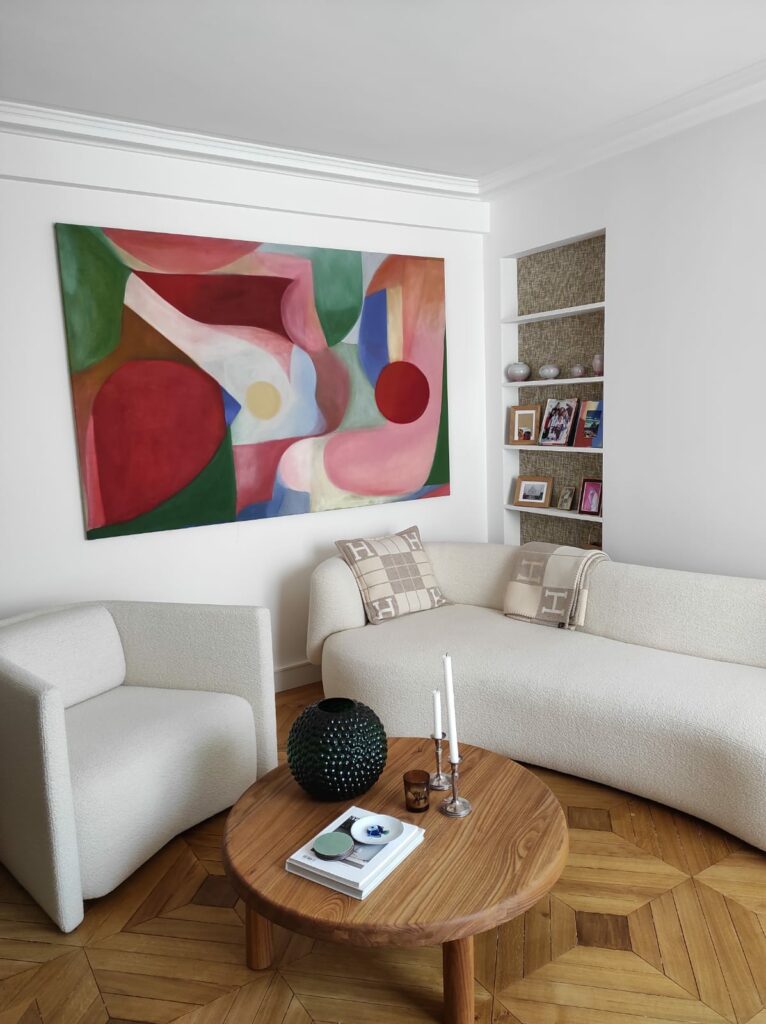
You open the door. The air is fresh. The surfaces are clean. The light comes in as it should. Nothing smells. Nothing surprises you. The apartment is exactly as you left it, or slightly better, because the small things have been quietly attended to in your absence.
This is not luck. It is the result of someone having been there, regularly, with care and attention, every two weeks since you last closed the door behind you.
A Paris residence is not a storage unit. It is a home. And a home, to remain one, needs to be treated as such, whether its owner is there or not.
That is precisely what we are here for.
If your Paris residence spends more time without you than with you, we would be glad to talk about what the right level of care looks like.

